
A beginner's guide to understanding the world of gambling
What is Gambling?
Gambling is the act of risking money or valuables on an outcome that is largely determined by chance. This could involve activities like playing card games, betting on sports, or spinning the reels of a slot machine. Understanding the essence of gambling requires a recognition of its different forms, each with unique rules and strategies that can influence the experience. Many people engage in gambling for entertainment, the thrill of risk, or the prospect of winning money. As you delve into this world, you may want to explore options like crypto casino australia for a diverse gaming experience.
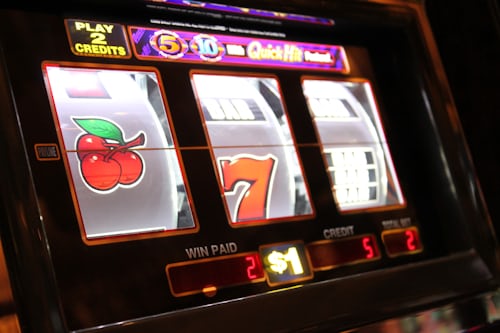
In recent years, the gambling landscape has expanded dramatically, especially with the rise of online platforms. This shift has allowed players to access various games from the comfort of their homes. However, it’s crucial to remember that while gambling can be a fun pastime, it also carries inherent risks, and responsible participation is essential to mitigate potential downsides.
Common Myths About Gambling
One of the most pervasive myths in gambling is the belief that some players have “lucky” streaks that can be repeated. In reality, every game is based on chance, and outcomes are independent of one another. This misconception can lead players to chase losses, believing that they can win back what they’ve lost by simply waiting for their “luck” to change.
Another popular myth is that casinos have some form of control over game outcomes. In truth, reputable casinos use Random Number Generators (RNGs) to ensure that every spin or card dealt is entirely random. This technology guarantees fairness and transparency, debunking the notion that casinos manipulate results to favor them.
Responsible Gambling Practices
Engaging in gambling responsibly is vital to ensuring it remains a fun and enjoyable activity. Setting limits on time and money spent can help prevent gambling from becoming a problematic behavior. Players should consider establishing a budget before they start, as well as a timeframe for their gambling sessions. These measures can help keep the experience enjoyable and under control.
Another essential practice is to recognize the signs of problem gambling. If you find yourself chasing losses, gambling with money you can’t afford to lose, or feeling stressed about your gambling habits, it may be time to seek help. Many resources are available for those needing assistance, and acknowledging the need for support is a crucial step toward maintaining healthy gambling habits.
The Impact of Technology on Gambling
The advancement of technology has significantly transformed the gambling industry. Online casinos and mobile apps have made it easier for players to access their favorite games anytime and anywhere. This convenience has led to increased participation, particularly among younger audiences who appreciate the ability to gamble on their devices.
However, this technological shift also raises new challenges, such as the potential for addictive behavior and increased accessibility to gambling. As such, operators must implement robust security measures and promote responsible gambling initiatives to protect players. By striking a balance between technological innovation and player safety, the industry can continue to thrive while fostering a responsible gambling environment.

Exploring the Best Online Casinos
For beginners looking to explore the world of gambling, finding reputable online casinos is paramount. A safe and trustworthy platform can enhance your gaming experience, providing exciting games along with generous bonuses. Many players seek platforms that offer fast withdrawals and a variety of payment options, ensuring convenience and security.
Additionally, reliable online casinos provide comprehensive reviews and ratings based on critical factors such as game variety, mobile compatibility, and player security. By choosing the right online casino, players can elevate their gambling experience, making informed decisions that align with their preferences and expectations.